Drip Irrigation vs. Sprinklers: What’s Best for North Texas Lawns in Fort Worth, TX?
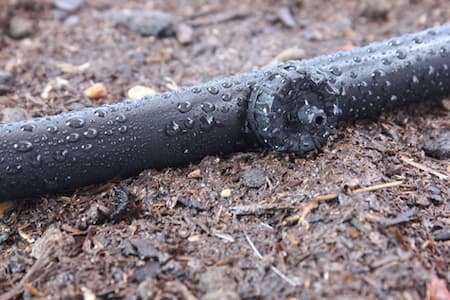
Choosing between drip irrigation and sprinklers is easier when you consider Fort Worth’s clay soils, hot windy summers, and year‑round water rules. If you want a quick answer: many North Texas homes get the best results with a hybrid system that uses sprinklers for open turf and drip for beds, trees, and tight spaces. For expert planning and a clean install, explore our drip irrigation installation options or learn more about drip irrigation in Fort Worth, TX from Martin Irrigation.
How North Texas Weather and Soil Affect Your Choice
Our region’s heavy clay holds water but absorbs it slowly. That means fast spray can run off before it soaks in. Add summer heat, sun, and gusty afternoons, and you can lose water to evaporation and wind drift.
Neighborhoods like TCU/Westcliff, Arlington Heights, Benbrook, Keller, and Saginaw often share three realities: long dry spells in July and August, shade from mature oaks or pecans, and sloped yards that shed water. Your irrigation should respect those conditions or you’ll see puddles, bare spots, or stressed plants.
What Drip Irrigation Does Best in Fort Worth
Drip delivers water slowly at the root zone, which keeps moisture in the soil and off the leaves. That’s a win for foundation plantings along brick or stone, vegetable beds in raised planters, and tree rings under live oaks where turf thins. Because water doesn’t mist through hot air, you keep more of every gallon you pay for.
- Great for beds, shrubs, trees, narrow side yards, and parkway strips
- Helps reduce weeds between plants because aisles stay drier
- Fits well with watering schedules since it soaks deeply without runoff
If you’re considering a conversion in older areas like Fairmount or Ridglea where landscapes are mixed and mature, ask about a professional drip system install that’s zoned for different plant needs. For a deeper look at the advantages, this related read from our team explains the benefits of a drip irrigation system in North Texas beds and tree zones.
Where Sprinklers Still Shine
Sprinklers remain the go‑to for wide, uniform turf like Bermuda or Zoysia. Properly designed zones with rotors or high‑efficiency nozzles can cover front lawns in Alliance/Keller or larger backyards in Benbrook without dry corners. The keys are nozzle selection, pressure regulation, and head placement so water lands on grass, not sidewalks.
Sprinklers are also useful during establishment of new sod. With the right scheduling and nozzle types, they can water evenly without creating ruts or runoff.
Drip vs. Sprinklers: Side‑by‑Side for North Texas Yards
- Water efficiency: Drip applies water at a slow rate so clay soil can absorb it. Sprinklers can be efficient too when designed and timed correctly, but they’re more exposed to wind and heat.
- Plant health: Drip keeps foliage dry, lowering the chance of fungal issues in shaded beds. Sprinklers mimic rainfall for turf that needs full‑coverage soak.
- Soil and slope: Drip excels on slopes and tight beds. Sprinklers work best on level, open turf with matched heads and runtimes.
- Maintenance: Drip needs periodic flushing and emitter checks. Sprinklers need head alignment, nozzle cleaning, and seasonal tune‑ups. If zones struggle or heads sputter, schedule sprinkler repair before summer heat arrives.
Rules and Realities in Fort Worth, TX
Fort Worth follows a year‑round, twice‑per‑week watering schedule and prohibits automated watering during the hottest part of the day. That makes timing and delivery method important. Drip in beds and around trees can help you stay efficient and avoid waste while you keep to assigned days.
Tip: Program watering as early as practical on your allowed mornings, and group thirsty plants on the same zone. Smart controllers and rain or freeze shutoff sensors can prevent accidental violations and protect your landscape.
Real‑World Setups That Work
Established Neighborhoods with Big Shade Trees
In Tanglewood or Westcliff, many homes pair rotor zones for front turf with drip around Japanese maple, boxwood, roses, and seasonal color. The turf stays green, and the beds stay neat without overspray hitting windows or fences.
New Builds in Alliance/Keller
Newer lots often include open Bermuda lawns with sunny exposures. A well‑designed sprinkler layout covers turf, while drip handles front entry beds, mailbox planters, and the narrow strip between the driveway and property line.
Sloped Lots and Corner Properties
On Benbrook and Arlington Heights slopes, water can sheet off before it soaks in. Drip minimizes runoff on beds, and shorter sprinkler cycles for turf reduce puddling at curbs and sidewalk edges.
Maintenance and Repairs: What To Expect
Every system needs care. Drip systems work best when emitters and filters are inspected and debris is cleared before peak season. Sprinkler systems benefit from spring startups, mid‑season checks, and a fall inspection to catch misaligned or broken heads and pressure issues. If you’re noticing soggy spots, low pressure, or uneven coverage, schedule sprinkler repair so problems don’t compound during summer.
Good to know: Water that lands on driveways and sidewalks is money down the drain. Precise drip near foundation beds and hedges keeps water where roots can use it.
When To Choose Each Option
Pick Drip Irrigation If You Have:
- Mixed plantings, hedges, roses, or native perennials that prefer slow, targeted watering
- Shady areas where wet leaves linger and invite disease
- Slopes, narrow strips, or beds against the house where overspray is wasteful
Stick With Sprinklers (Or Upgrade Them) If You Have:
- Large, open Bermuda or Zoysia lawns that need even, full‑coverage soak
- Simple rectangular spaces where matched heads and pressure do the job well
- New sod that requires consistent coverage to root quickly
Best of both: Many Fort Worth homeowners choose a blended system. Sprinklers handle the lawn. Drip serves the beds, trees, and hard‑to‑reach corners. It’s efficient, flexible, and friendly to our clay soils.
How Martin Irrigation Designs Smarter Systems
Success starts with a site walk. We look at sun and shade, plant types, slope, and soil. Then we zone your property so turf, beds, and trees each get the right delivery method. On turf, we use matched precipitation and proper head spacing. In beds, we select drip lines and emitters that fit plant size and layout. The result is steadier growth and fewer brown spots.
If you want to compare options for your own property, you can also skim our team’s quick read on the benefits of a drip irrigation system and then map that to your lawn and beds.
So, What’s Best for North Texas Lawns?
For most Fort Worth homes, sprinklers win on large, uniform turf. Drip wins almost everywhere else. The smartest move is to match the method to the space, schedule water early on allowed days, and let a licensed pro design zones that fit North Texas conditions. If you’re ready to put more water to work and waste less, our team can help you plan and install the right setup.
Ready To Upgrade Your Irrigation In Fort Worth?
Let Martin Irrigation evaluate your lawn and landscape and recommend a simple, efficient plan. We can retrofit beds to drip while optimizing turf zones, all in one project. To get started, call 817-583-5781 or ask about a tailored plan through our drip irrigation installation service page. Your yard will thank you when the heat hits.

Optimize Your Water Usage With Martin Irrigation In Fort Worth And Surrounding Areas!