Landscape Drainage vs. Sprinkler Adjustments in Fort Worth, TX: Which Fix Does Your Yard Really Need?
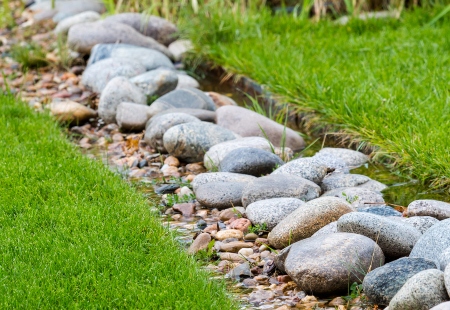
After a hard Fort Worth thunderstorm, many homeowners see puddles, patchy grass, or runoff and wonder if they need a new watering schedule or a true drainage solution. The right answer protects your lawn, your home, and your water bill. This guide explains how Martin Irrigation separates sprinkler issues from drainage problems, and when to choose professional landscape drainage instead of simple adjustments.
North Texas clay holds water, then cracks when it dries. Add sloped drives, shaded tree canopies, and heavy downpours, and small mistakes turn into standing water or scorched turf. Knowing the difference between a sprinkler problem and a drainage problem saves time and prevents repeat headaches.
How To Tell If It’s Drainage Or Sprinklers
Use the patterns you see across your yard. The clues below often point one way or the other.
- Persistent soggy spots after storms usually point to drainage, not sprinklers.
- Water pooling along sidewalks, patios, or low areas signals poor runoff paths or compacted clay.
- Wet soil hugging the house or garage can mean downspouts or grading push water toward the structure.
- High water bills with dry patches are a red flag for sprinkler issues.
- Mist blowing away in the wind, overspray onto fences or streets, or heads that won’t pop up are sprinkler problems.
Look for location and timing. If water lingers mainly after rain and not after irrigation, drainage is likely the culprit. If trouble appears after your system runs, it’s time for sprinkler repair.
What Landscape Drainage Actually Solves In Fort Worth
In neighborhoods like Arlington Heights, Tanglewood, Benbrook, and Wedgwood, yards often mix clay soils, modest slopes, and mature trees. That blend traps runoff and sends it to the lowest corner. Quality drainage design moves water off the lawn and away from the foundation so the soil can breathe and the turf can root.
Professional drainage planning from Martin Irrigation targets problems such as soggy turf that never dries, mulch washing into the street, and erosion scars that keep widening. Solutions may include surface collection points, controlled conveyance to safer discharge locations, and subsurface components that relieve saturation. The goal is simple: give water a predictable path so it never sits where it can cause damage.
Do not ignore standing water against your foundation. Soft soil near the slab invites settling and can harm plant beds along the house. Effective yard drainage protects both curb appeal and structural integrity.
When Sprinkler Adjustments Or Repairs Are The Better Move
Sometimes the yard would be fine if the water arrived evenly and at the right time. Sprinkler issues show up as donut-shaped dry rings, overspray onto driveways, or spots that get drenched while others miss out. In these cases, a professional tune-up addresses:
- Head alignment and height so spray clears growing turf and stays on target
- Nozzle selection to match arc and distance without wasting water
- Run-time and cycle settings to reduce runoff on clay soils
- Controller programming for seasonal shifts and watering windows
If your yard struggles right after the system runs, you likely need targeted sprinkler repair and reprogramming, not excavation.
Local Factors That Complicate The Choice
Fort Worth weather swings fast. Spring fronts can dump inches of rain, then winds dry the surface while the clay below stays saturated. Shady streets in Mistletoe Heights or mature oaks in TCU/Westcliff slow evaporation. New infill projects can redirect offsite water onto older lots. All of this means a yard can look dry on top and still be soaked underneath.
That’s why a quick “add five minutes per zone” fix can make runoff worse, while trenching a drain where the grade is fine won’t help at all. Fix the root cause before replacing grass. Otherwise, the same spots fail again next season.
How Martin Irrigation Diagnoses Your Yard
Our process is built for North Texas conditions. We walk the site after rain when possible, note slope and low points, verify where downspouts discharge, and check soil infiltration in several areas. Then we review valve performance, water pressure, and head-to-head coverage to rule out system flaws.
From there, we build a plan that may combine adjustments with drainage upgrades. On some Fort Worth lots, a small change at one pinch point restores healthy flow across the property. On others, we recommend a purpose-built collection and conveyance path that cooperates with your soil and slope. If you want an overview of who we are and what we do, you can explore landscape drainage in Fort Worth, TX resources on our site and see how we approach water stewardship for local homes.
Real-World Fixes We Commonly Recommend
Every property is unique, but our recommendations often fall into clear buckets that match what we find on site. Here are examples of professional solutions we may include in a custom plan:
For drainage-driven problems
- Collect surface water in strategic low spots and carry it to a safe exit point that won’t undermine beds or hardscapes.
- Break up saturated zones that smother turf so roots can breathe and recover without tracking mud across sidewalks.
- Reroute roof runoff so downspouts don’t feed the same muddy corner every storm.
For sprinkler-driven problems
- Match precipitation rates across zones so one area doesn’t flood while another starves.
- Replace damaged nozzles and raise buried heads so spray stays on grass, not on fences or streets.
- Set runtimes and cycles for clay soils and slopes to reduce waste and keep moisture in the root zone.
Signs You Should Call Now
Some issues can wait a week. Others should move to the front of the line. Watch for these warning signs across Fort Worth yards:
Standing water next to the foundation after a rain. Turf that squishes days later. Mulch washing into the street. Pavers settling or rocking. Repeating shutoff valve trips. A musty smell near beds or along the side yard. Each of these points to a pattern that needs expert attention.
On the sprinkler side, a sudden jump in the water bill, sputtering heads, or dry arcs in the same zone show that distribution is off or a component failed. A targeted service visit can bring balance back fast, protect your landscaping investment, and set you up for the next weather swing.
Choosing The Right Fix With Confidence
The quickest way to clarity is a professional diagnosis grounded in local soil and storm behavior. We’ll tell you when a program change and minor repairs will do the trick, and when your yard truly needs engineered drainage. Either way, the aim is a healthier lawn, cleaner hardscapes, and less water waste across our Fort Worth neighborhoods.
If puddles return after every storm, it is time to consider purpose-built landscape drainage rather than more watering tweaks. When the problem shows up right after a run cycle, we lean toward sprinkler repair and recalibration so water lands where it should.
Ready To Protect Your Lawn And Home?
You deserve a yard that dries out after storms and stays green through summer. Martin Irrigation will evaluate your property, explain the findings in plain language, and recommend the right path forward. To get started, schedule professional landscape drainage help today or call 817-583-5781 to speak with a friendly local expert.

Optimize Your Water Usage With Martin Irrigation In Fort Worth And Surrounding Areas!